183 institutions found
No photos
Development Center

Yakkasaray district · 5–13 years
Russian · Uzbek
No photos
Development Center
Chilanzar district · 5–13 years
Russian · Uzbek
No photos
Development Center
Yunusabad district · 5–13 years
Russian · Uzbek
No photos
Development Center
Yunusabad district · 5–13 years
Russian · Uzbek
No photos
Development Center

Mirzo Ulugbek district · 2–10 years
Russian · Uzbek
No photos
Development Center
Yunusabad district · 2–10 years
Russian · Uzbek
No photos
Development Center
Chilanzar district · 2–10 years
Russian · Uzbek
No photos
Development Center
Sergeli district · 2–10 years
Russian · Uzbek
No photos
Development Center
Yakkasaray district · 3–16 years
Russian · Uzbek

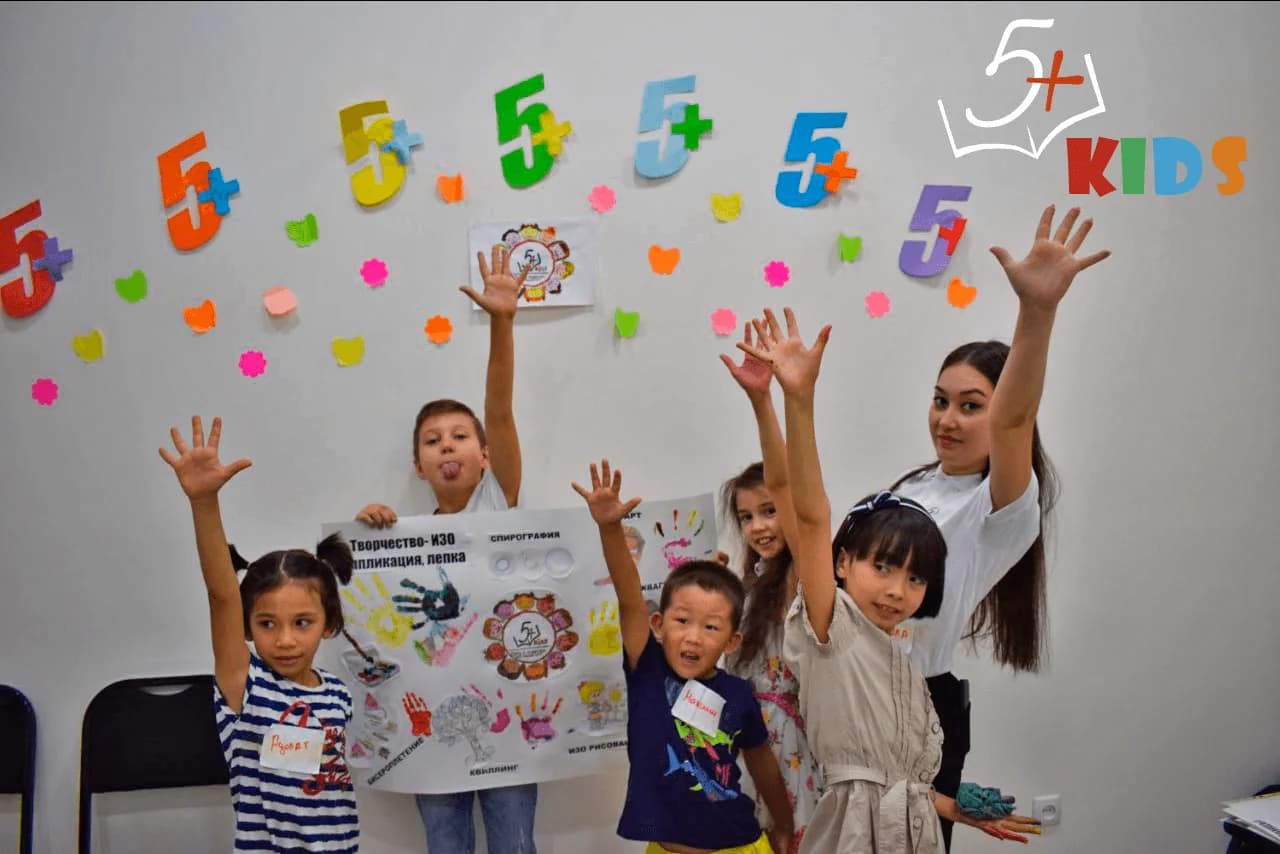
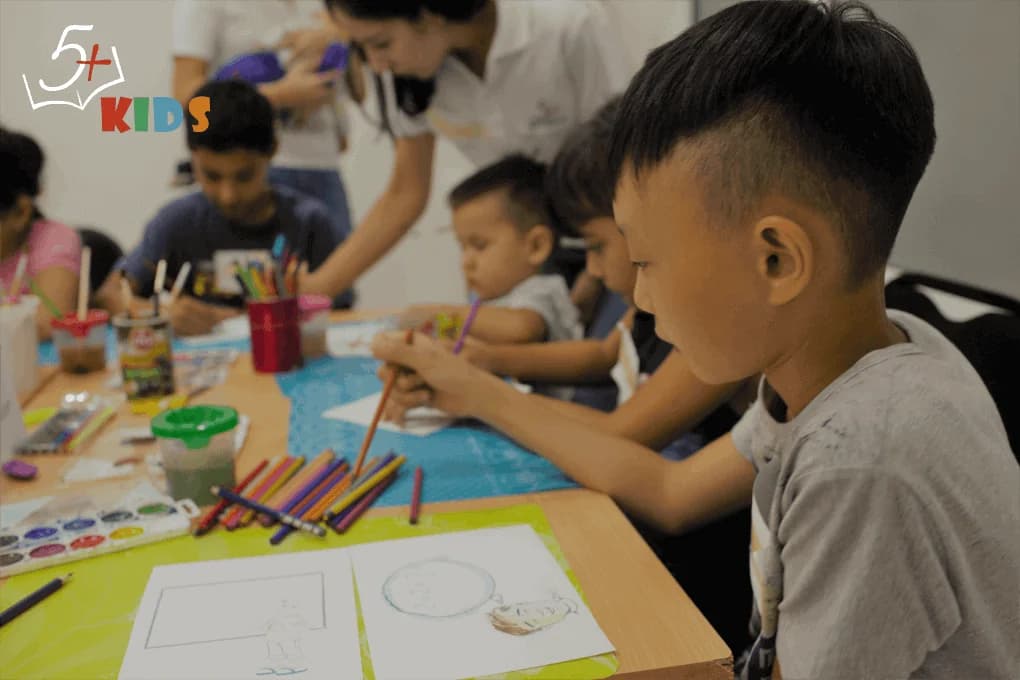
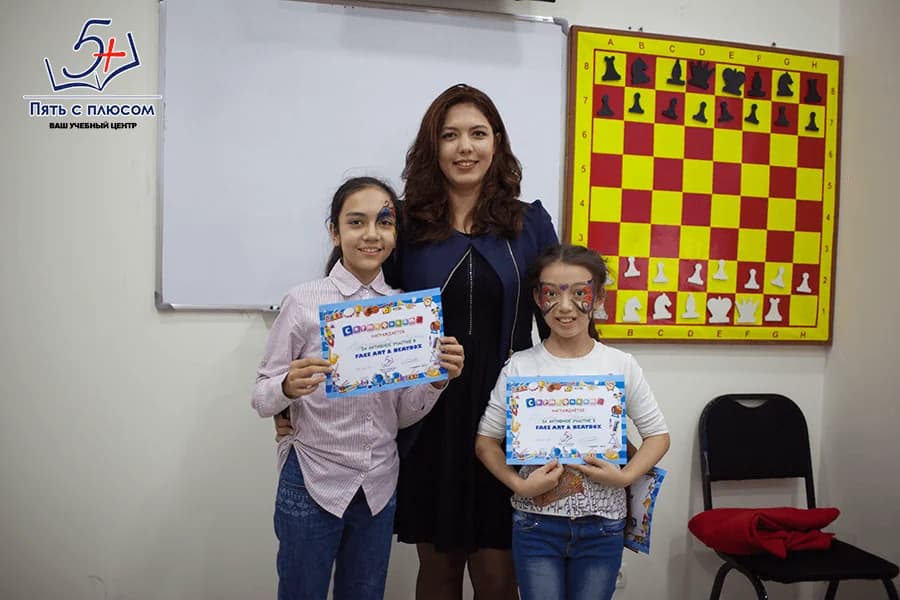

1 / 5
Development Center

Mirabad district · 3–12 years
Russian · Uzbek
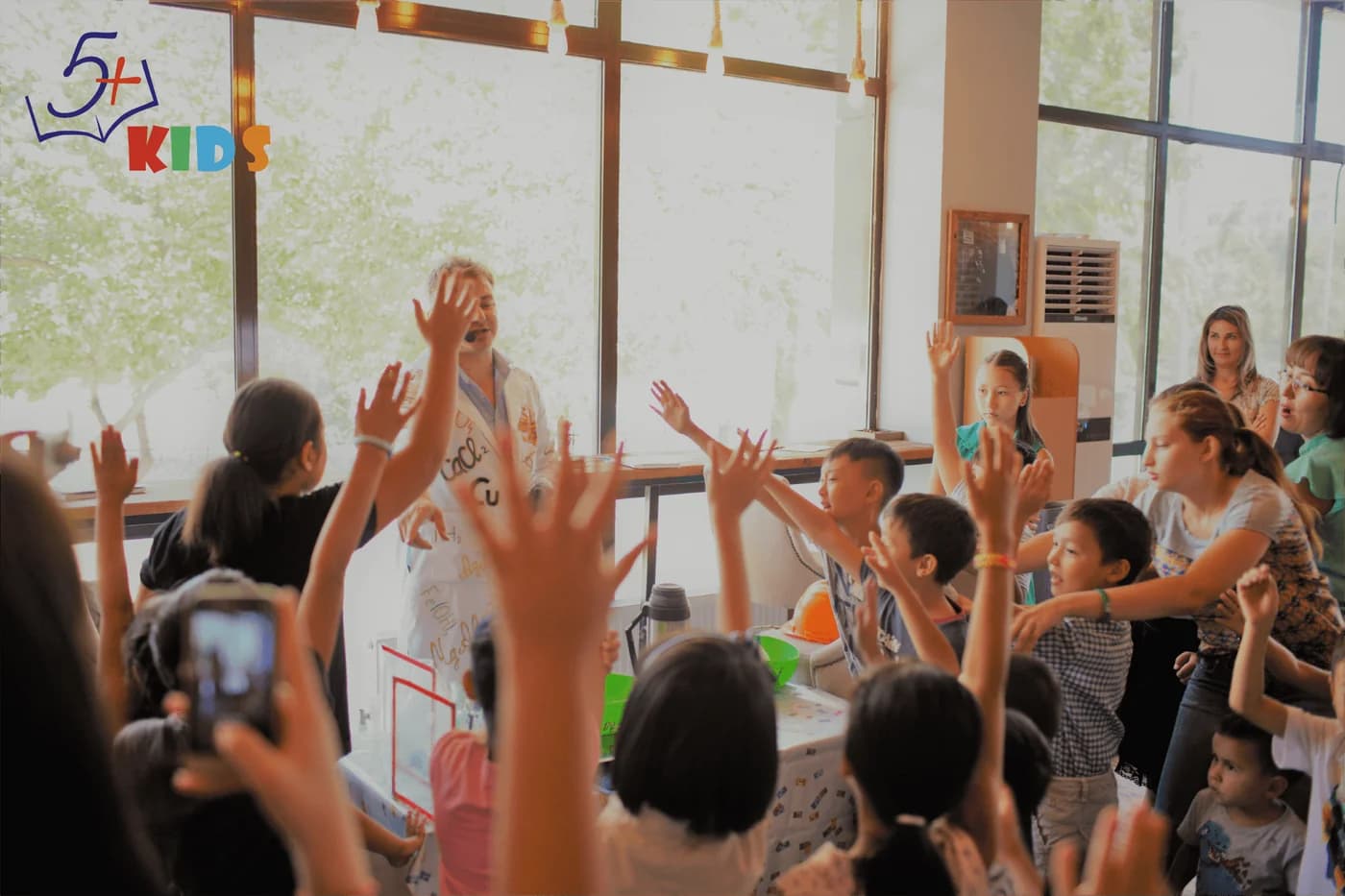
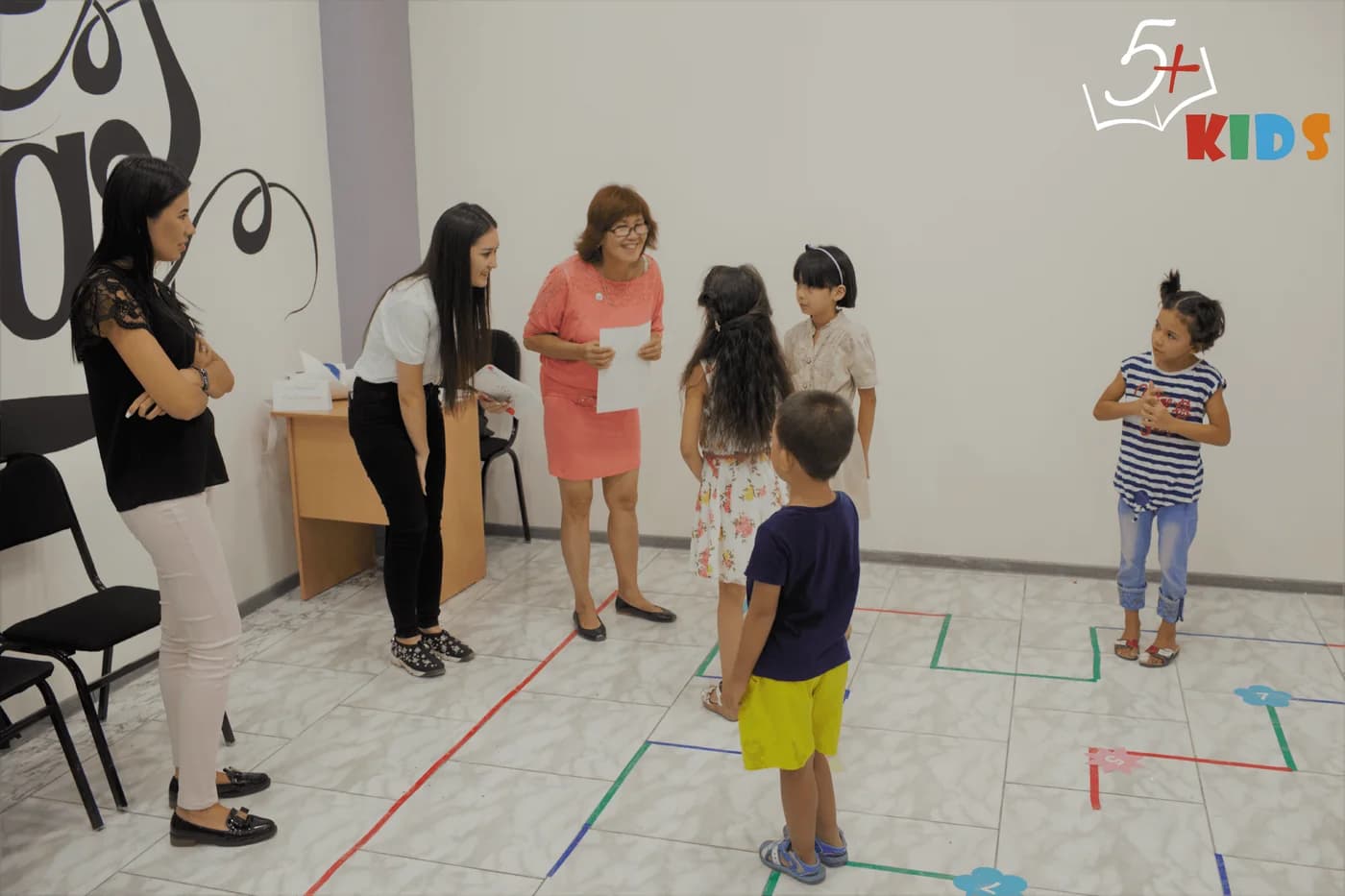
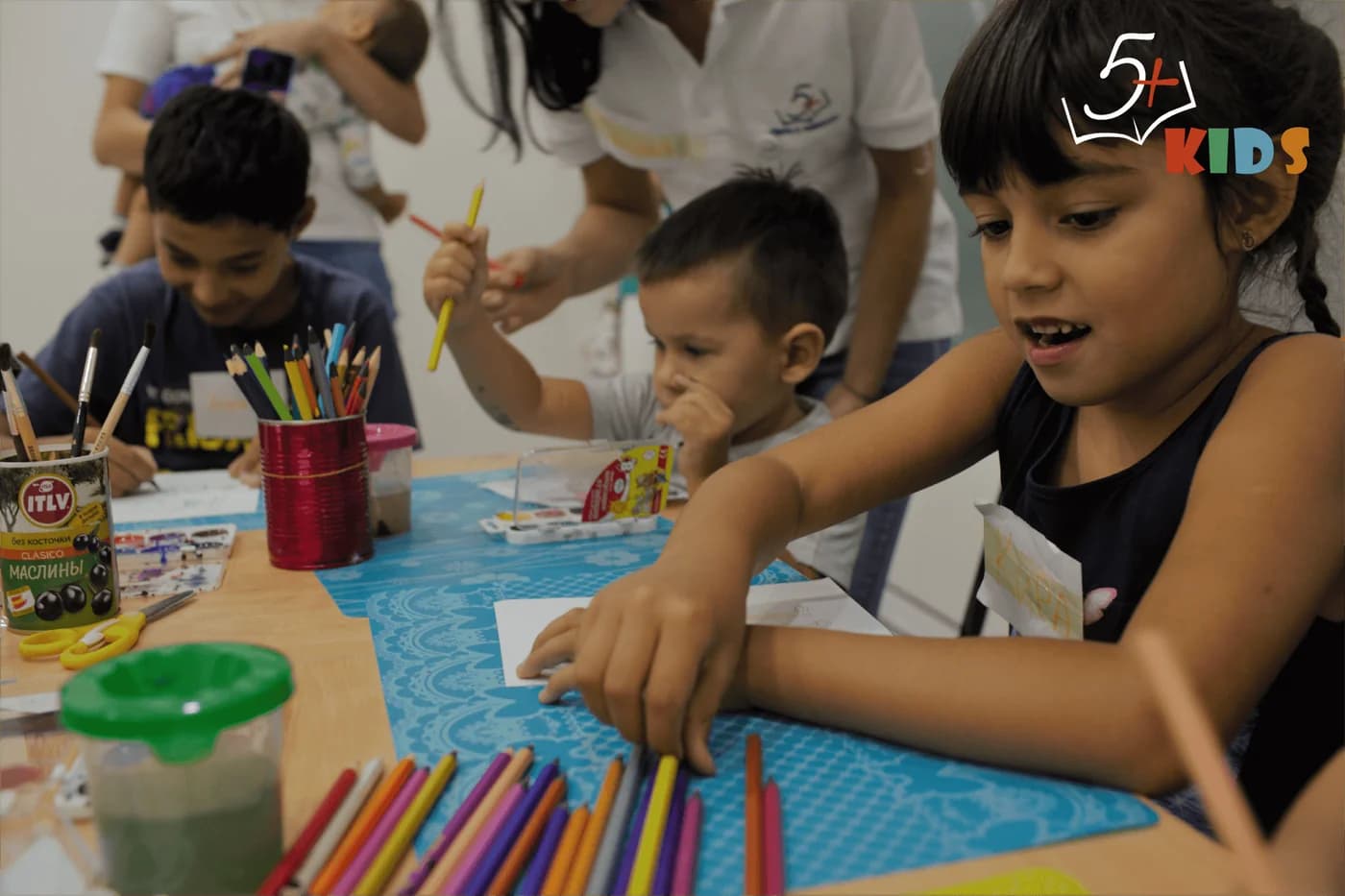
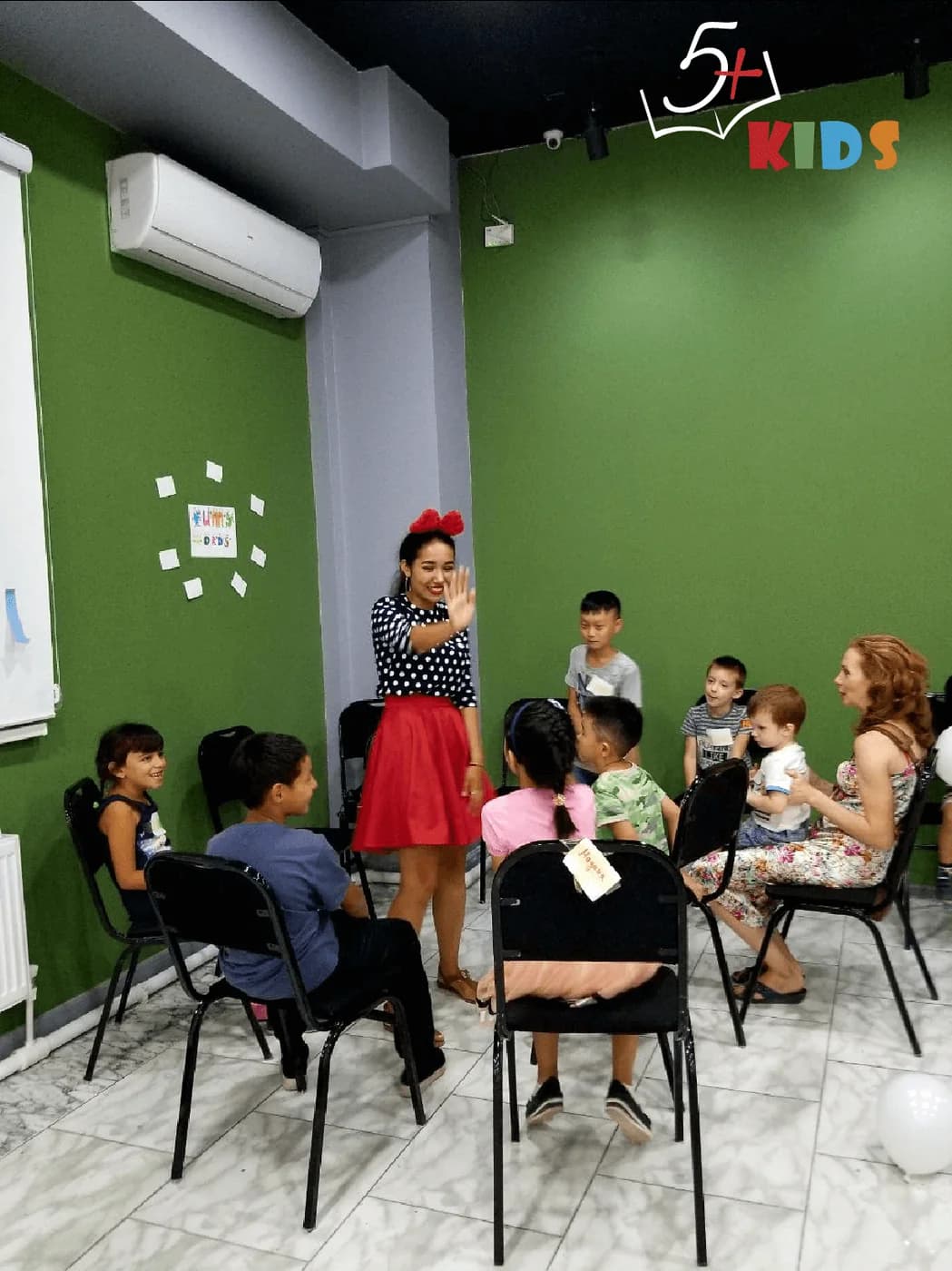

1 / 5
Development Center
Yashnabad district · 3–12 years
Russian · Uzbek
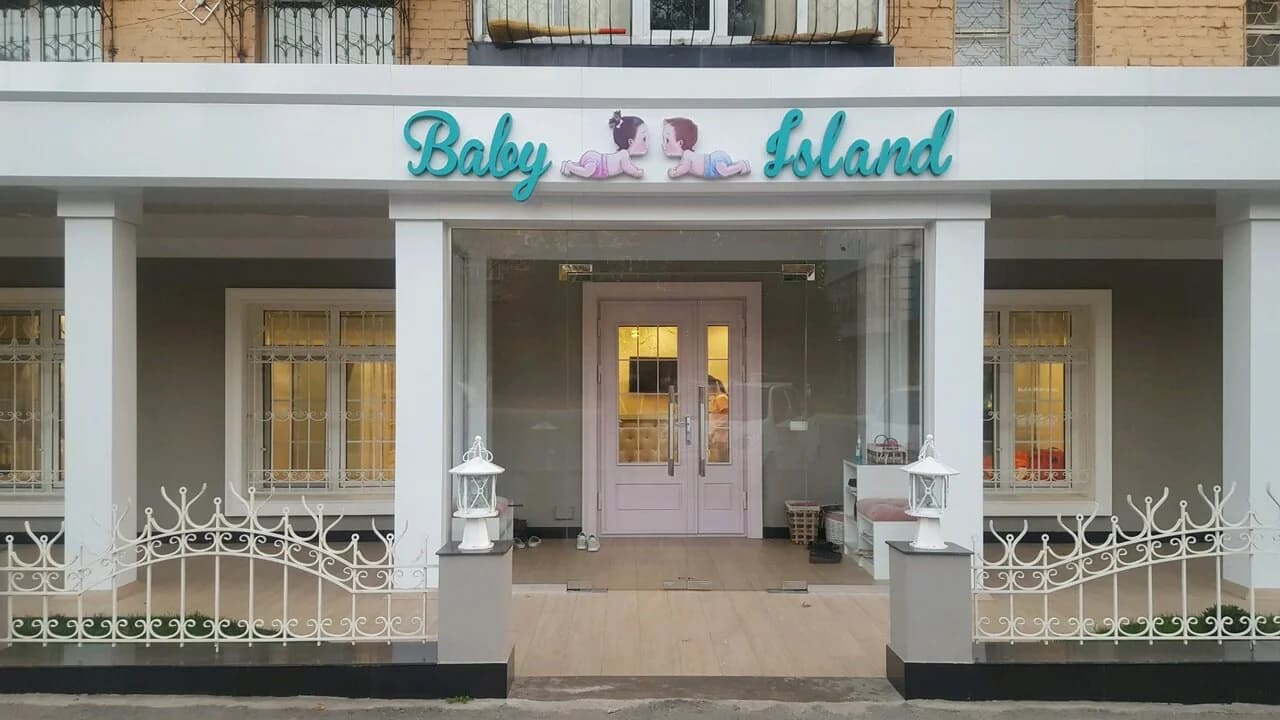
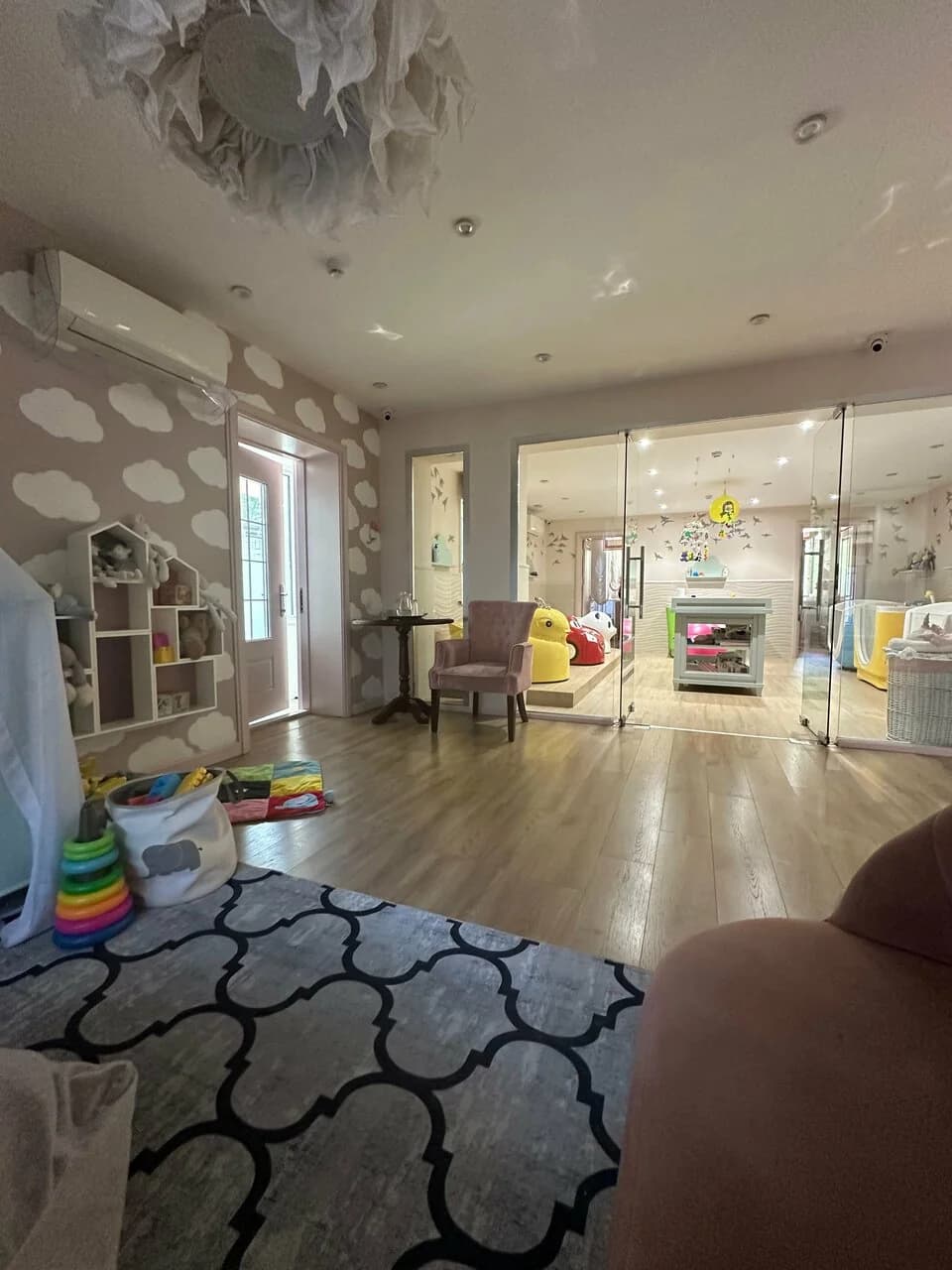
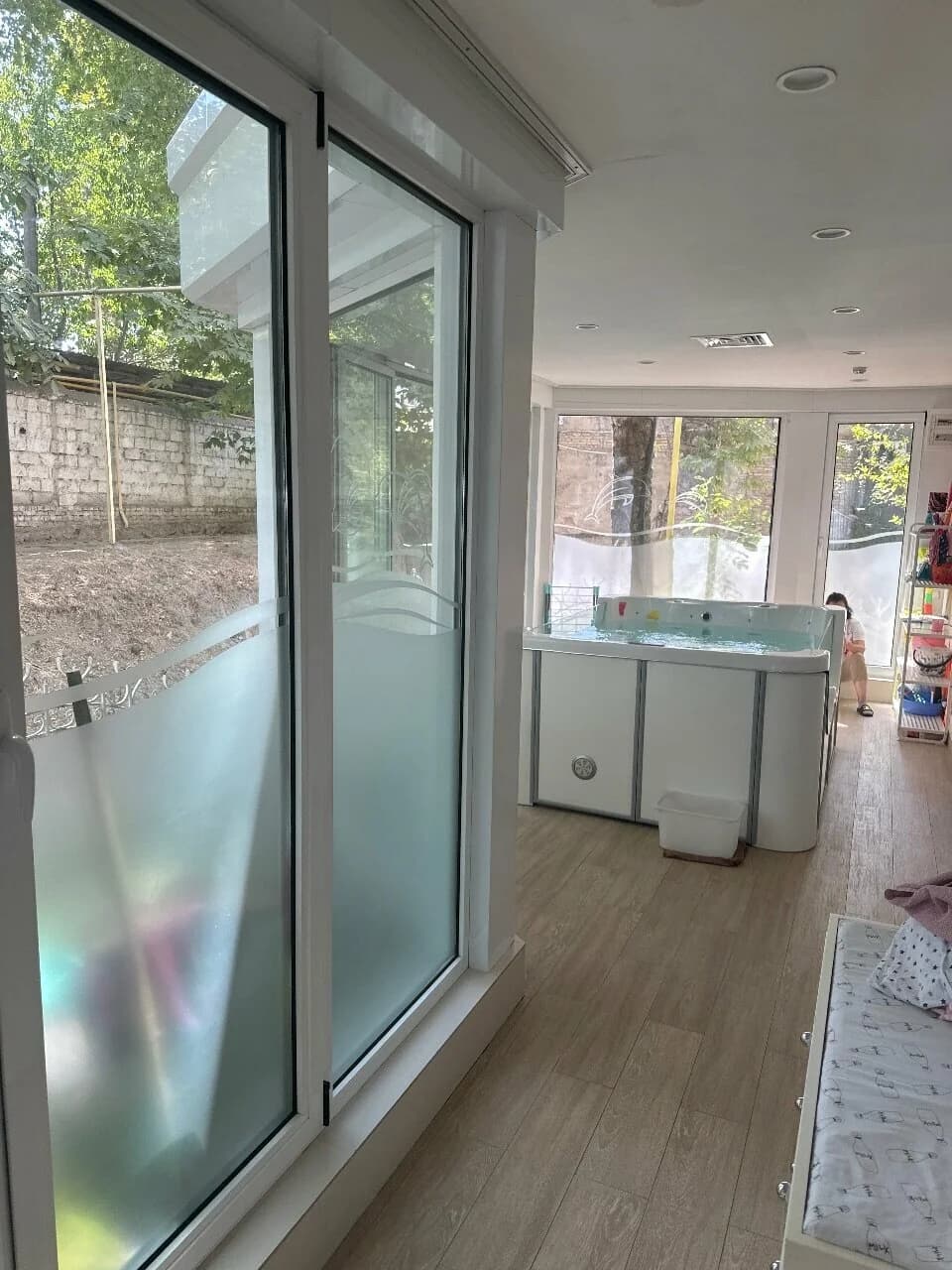
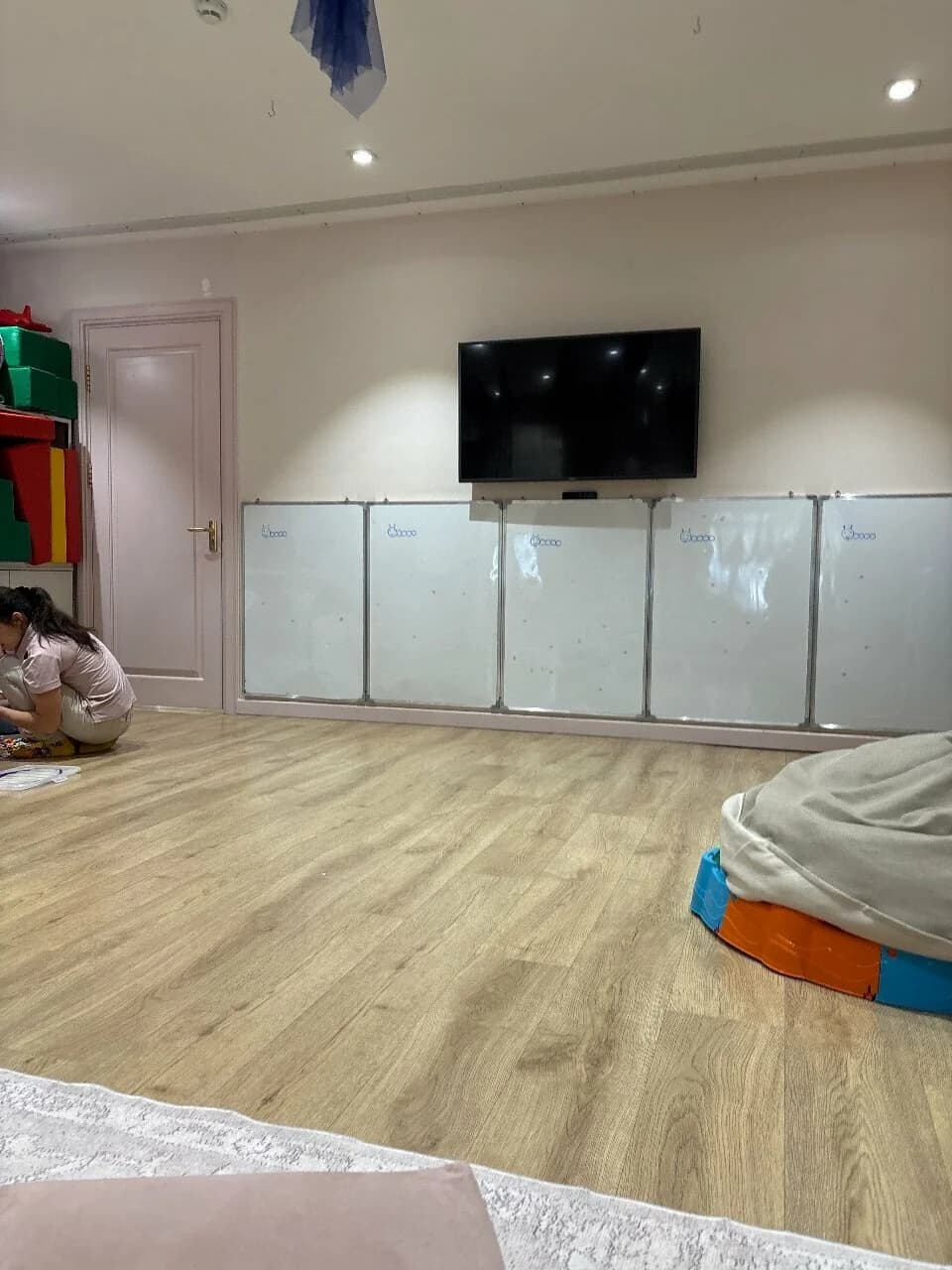
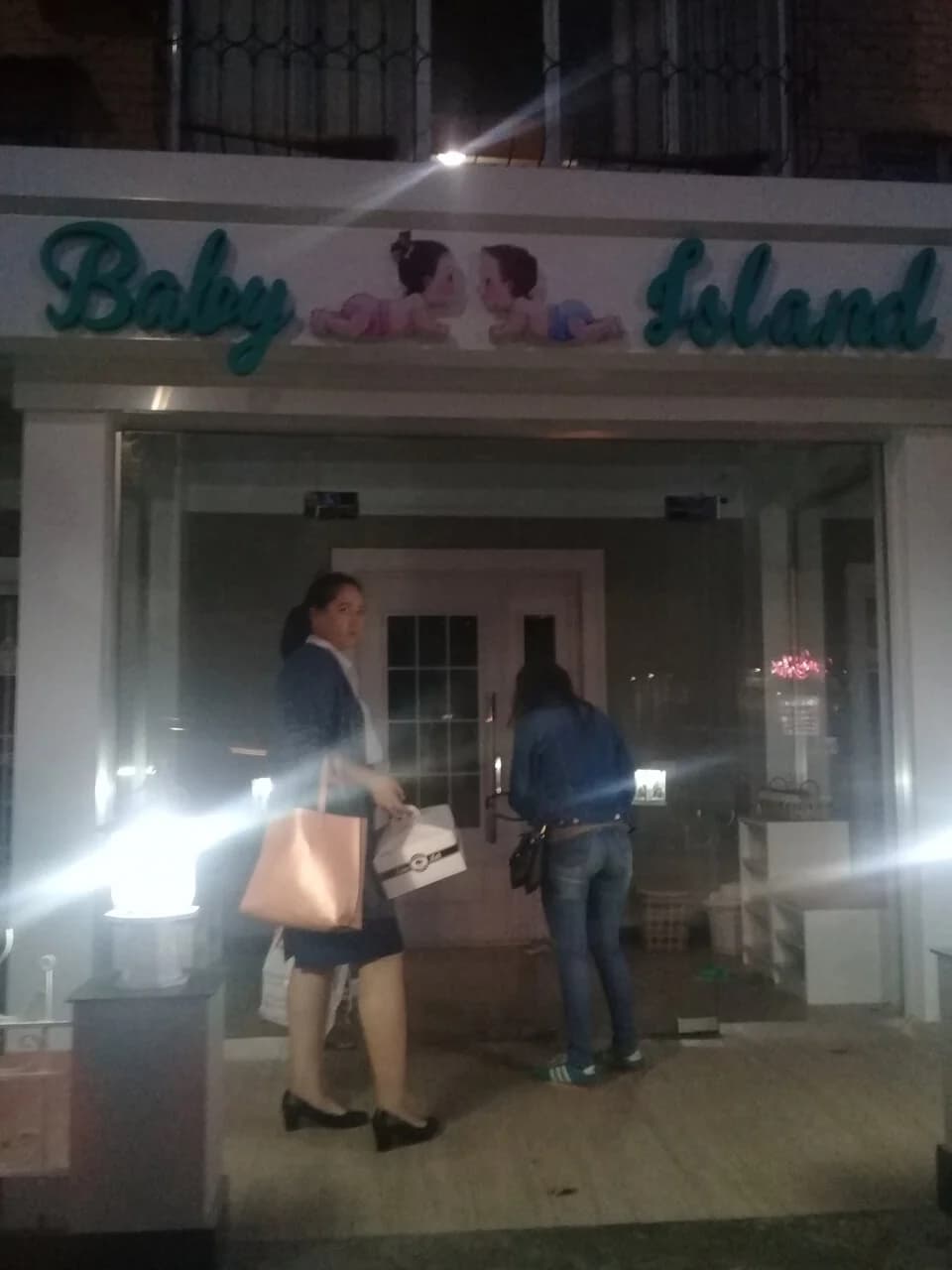
1 / 5
Development Center

Yunusabad district · 1–7 years
Russian · Uzbek
No photos
Development Center
Tashkent, Yakkasaray district · 5–13 years
Russian · Uzbek
Private
—
Spots available
No photos
Development Center
Tashkent, Chilanzar district · 5–13 years
Russian · Uzbek
Private
—
Waitlist
No photos
Development Center
Tashkent, Yunusabad district · 5–13 years
Russian · Uzbek
Private
—
Waitlist
No photos
Development Center
Tashkent, Yunusabad district · 5–13 years
Russian · Uzbek
Private
—
Waitlist
No photos
Development Center
Tashkent, Mirzo Ulugbek district · 2–10 years
Russian · Uzbek
Private
—
Spots available
No photos
Development Center
Tashkent, Yunusabad district · 2–10 years
Russian · Uzbek
Private
—
Waitlist
No photos
Development Center
Tashkent, Chilanzar district · 2–10 years
Russian · Uzbek
Private
—
Enrollment closed
No photos
Development Center
Tashkent, Sergeli district · 2–10 years
Russian · Uzbek
Private
—
Spots available
No photos
Development Center
Tashkent, Yakkasaray district · 3–16 years
Russian · Uzbek
Private
—
Spots available
1 / 5
Development Center
Tashkent, Mirabad district · 3–12 years
Russian · Uzbek
Private
—
Spots available
1 / 5
Development Center
Tashkent, Yashnabad district · 3–12 years
Russian · Uzbek
Private
—
Enrollment closed
1 / 5
Development Center
Tashkent, Yunusabad district · 1–7 years
Russian · Uzbek
Private
—
Waitlist
Development centers for children in Uzbekistan: how to choose
A development center is an after-school venue where children pick up skills that regular schools or kindergartens don't have time for: mental arithmetic and speed reading, foreign languages, robotics and programming, drawing, music, chess, sports clubs. In Uzbekistan such centers have become a mainstream form of supplementary education in recent years — from small single-district studios to chains with branches across Tashkent and in regional capitals.
Show moreShow less
The BeeKids directory gathers development centers in Tashkent, Samarkand, Bukhara, Namangan, Andijan and other cities. For each center you can see the focus of classes, the age of children accepted, the monthly price range, the branch address and contacts, and parent reviews. This lets you compare based on the real experience of families who already attend, not on advertising.
Age is the first filter. Early-development centers work with toddlers from 1–2 years, focusing on motor skills, sensory development and socialization. School-readiness programs are aimed at ages 5–7. Robotics, programming and mental arithmetic usually start at 6–8, while language courses and creative studios accept children of almost any age, including teenagers.
The second guide is your goal. If you need to strengthen a specific skill (English before enrollment, or mathematics), choose a specialized center with a narrow focus and a clear methodology. If the aim is well-rounded development and keeping your child occupied, a multi-disciplinary center with several clubs under one roof fits better: it's more convenient logistically and often cheaper as a package.
What to look at besides price: the qualifications of teachers and staff turnover, group size (the smaller, the more attention each child gets), whether a trial lesson is offered, the schedule and how it fits with school, the safety of the premises and the commute. Reviews on BeeKids help you notice what a center's own website won't mention — how children are treated, whether schedules are kept, whether there are results.
The cost of classes in Uzbekistan's development centers varies widely by city, focus and format — group classes are cheaper than individual ones. Compare not only the package price but what it includes: the number of classes per week, materials, access to extra activities. Use filters by city, district, age and price to assemble a short list of centers near home.